copyright © Wartime Heritage Association
Website hosting courtesy of Register.com - a web.com company
Wartime Heritage
ASSOCIATION
Featured Articles: March 2026
July 2025
July 2025



“My story begins in March 1942, two
years and a half after WW2 started.
We had our early days of Dunkirk,
the phony war, the blitz, Battle of
Britain and the start of Bomber
Commands penetration into enemy
territory.”
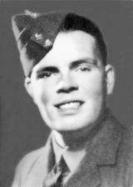
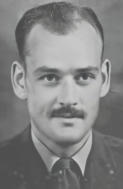
Gerry Lyons served six and a half
years in World War II in the Essex
Regiment and the Royal Air Force.
After the war he returned to Yarmouth Nova Scotia, ….


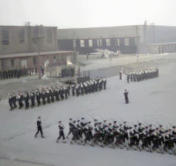
March 3, 1945, was the turning
point in the final months of
No. 1 Naval Air Gunnery School,
(No. 1 NAGS) RCAF Station, East
Camp, ….






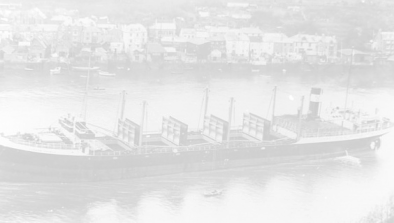
Jason (Jake) Garfield Kilcup was born in
Windsor, Nova Scotia. At the age of 20,
Jake joined the Merchant Navy and was
engaged as an Able Seaman on the SS
Gypsum Prince ….



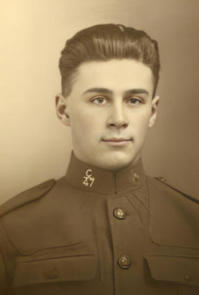
Earle Russell Miller, born in
Yarmouth, Nova Scotia, was
17 when he enlisted with the
219th Battalion.
On March 1, 1918, just before
midnight, he arrived in
France …






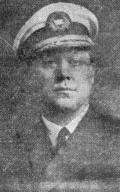
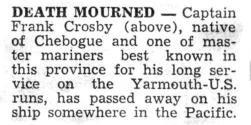
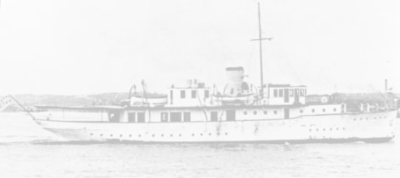
Frank Killam Crosby was born in
Chebogue, Yarmouth Co., Nova Scotia, in
1885.
He died at the age of 59 on March 8,
1944.




The Loss of the HMCS Otter
HMCS Otter, an escort ship, was to rendezvous with the
Royal Navy Submarine Talisman and escort it into Halifax.
The waves were ten feet at a Force 6 with intermittent rain.




Remembering Rachel Rebecca (Benham) Lewis
It’s likely that Rachel’s life and wartime service would have
remained unknown if an act of kindness
from a boy’s childhood had not been
remembered …
Rachel Rebecca (Benham) Lewis (1879-
1966) served as a Nursing Sister in
France during WWI.
Yarmouth WWI Veteran




Remembering Peter Lowe
Peter Lowe was born in Halifax, Nova
Scotia. He served with the 32nd
Indian Mountain Regiment, Royal
Indian Artillery, killed in action on
October 6, 1944.
Captain Lowe is one of four WWII
casualties from Nova Scotia buried in
the Taukkyan War Cemetery, Burma
(Myammar).




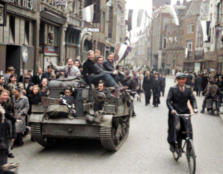
The Liberation of the Netherlands 1944-1945
In early April, the
Canadians began to
clear the northeast of
the country, often
aided by information
provided by Dutch
resistance fighters.
Canadian troops
rapidly moved across
the Netherlands,
recapturing canals and
farmland as they progressed toward the North Sea. They
also began to advance in the western Netherlands, which
contained the major cities of Amsterdam, Rotterdam and
The Hague.




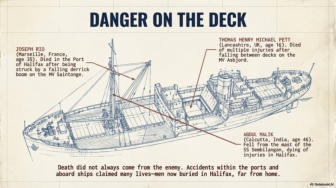
Perils Faced by Merchant Seamen in Wartime Ports
The heroism of Merchant Seamen during the Atlantic
campaigns is often told in stories through the lens of
storms, U boat attacks, and the relentless danger of open
water. Yet the perils they faced did not end when their
ships reached safe harbour.




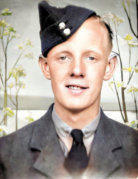
Fred Douglas Whitehouse
Royal Canadian Air Force WWII
In 1943 Fred Whitehouse enlisted in
the RCAF, driven by a desire to serve
his country during the war. Despite his
commitment, he faced an unfortunate
fate – he never completed his training, he never flew an
aircraft, and he never engaged in combat overseas. But the
unforgettable experience in those months following his
enlistment would remain with him for all the years of his
life.




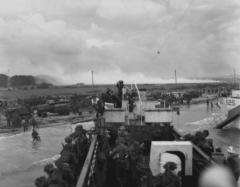
D-Day June 6, 1944
On June 6, 1944, Allied
forces invaded
Western Europe along
an 80-kilometer front
in Normandy, France.
Of the nearly 150,000
Allied troops who
landed or parachuted
into the invasion area,
14,000 were Canadians. The Canadians suffered 1074
casualties, including 359 killed, 18 with connection to Nova
Scotia.








- World War I - Menu
- WWI Stories and Articles
- Photos - Yarmouth Soldiers
- Selection of World War I Songs
- WWI Casualties of Yarmouth, NS
- Those Who Served - Yarmouth, NS
- WWI Casualties Digby Co. NS
- WWI Casualties Shelburne Co. NS
- Merchant Mariners (1915) Yarmouth, NS
- Canadian Forestry Corps - Non Yarmouth Birth/Residence Enlistments
- US Draft Registry - Yarmouth NS Born


- World War II - Menu
- WWII Stories and Articles
- Telegraphist Air Gunners
- WWII Casualties of Nova Scotia
- US Casualties with NS Connection
- Far East/Pacific Casualties with NS Connection
- Merchant Navy Casualties Nova Scotia
- Nova Scotia WWII Casualties Holten Canadian War Cemetery
- D-Day Casualties - Nova Scotia
- CANLOAN Program Casualties - Nova Scotia
- Battle of the Bulge Casualties - Nova Scotia
- WWII Casualties Yarmouth NS
- Yarmouth Casualties - RCAF RAF Canadian Army WWII
- Yarmouth Co., Marriages WWII
- Casualties Non-Born/Residents with Connection to Yarmouth Co., Nova Scotia.
- WWII Casualties Digby Co., NS
- Non-Nova Scotian WWII Casualties Buried in Nova Scotia
- WWII RCAF Casualties Aged 16-18
- Brothers/Sisters Who Served - World War II


