Remembering the Telegraphist Air Gunners
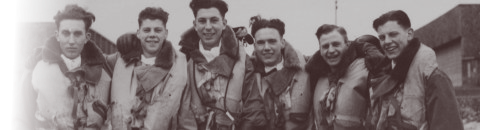

copyright © Wartime Heritage Association
Wartime Heritage
ASSOCIATION
March 3, 1945 - Training at East Camp Ends
March 3, 1945, was the turning point in the final months of No. 1 Naval Air Gunnery School,
(No. 1 NAGS) RCAF Station, East Camp, when Telegraphist Air Gunner training ended at 3:30 p.m.
and marked the conclusion of the school’s operational life and signalled the beginning of a
profound shift for both the base and the Town of Yarmouth
Course 64A, with its 44 graduates, became the last group to complete training, closing a chapter
that had in part shaped the wartime identity of the region. For years, the aircraft overhead, the
movement of personnel through town, and the constant activity at both East and West Camps
had been part of daily life. When training ceased on that March afternoon, it was clear that the
community was about to undergo a significant change.
The weeks leading up to March 3 had already hinted at the transition ahead. On February 5, the
Commanding Officer informed the assembled school that the Admiralty’s reduced commitments meant the school would be disbanded
and its personnel returned to the United Kingdom.
Training continued briefly, Course 63A graduated on
February 20, and the airfield remained busy with a
diverse fleet of Ansons, Swordfish, Walrus aircraft,
Hurricanes, and Harvards. Personnel movements began as
well, and beneath the routine, the sense of winding down
was unmistakable.
Once training ended, the departures accelerated. On
March 10, the first draft of 340 men boarded trains at the
siding near the Stores Building, followed by another 541
personnel on March 18. By Good Friday, March 30, East
Camp closed, remaining staff were moved to West Camp,
and No. 1 NAGS formally shut its doors.
With that, its role in the British Commonwealth Air Training Plan came to an end. The school had brought together people from across
the Commonwealth creating a unique wartime community within Yarmouth’s borders.
For the town itself, the closure carried both economic and social implications. Throughout the war, No. 1 NAGS had been one of
Yarmouth’s most significant sources of activity. Hundreds of service members lived, trained, and spent their leisure time in the
community, supporting local shops, restaurants, and entertainment venues. When the school closed, the departure of personnel
meant a decline in business for many local establishments.
The presence of the school also brought a sense of purpose and connection to the global conflict, making Yarmouth a hub of
international interaction during a time of uncertainty.
March 3 stands as the symbolic moment when Yarmouth’s wartime
tempo began to shift. The end of TAG training marked the beginning of
the town’s transition back to peacetime life.
The legacy of the Telegraphist Air Gunners remains woven into the
community’s history, a reminder of a time when Yarmouth played a
vital role in a global effort and welcomed people from far beyond its
shores.
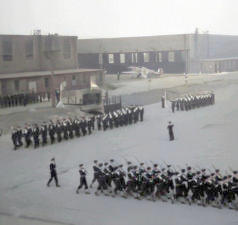
East Camp - March 3, 1945
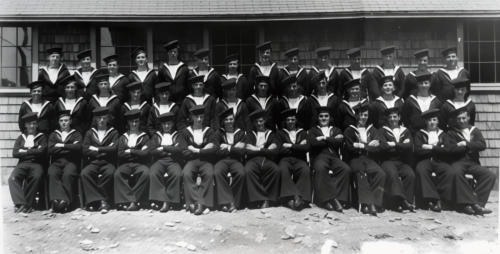
Course 64A
Related Articles
A Walk Through History
Lionel Reginald James Telegraphist Air Gunner WWII - Course 64A
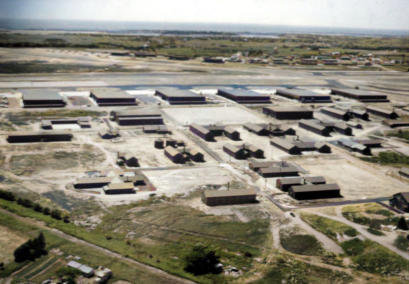
East Camp RCAF Station Yarmouth Nova Scotia, 1942-1945 Telegraphist Air Gunner Training and Wartime Operation






- World War I - Menu
- WWI Stories and Articles
- Photos - Yarmouth Soldiers
- Selection of World War I Songs
- WWI Casualties of Yarmouth, NS
- Those Who Served - Yarmouth, NS
- WWI Casualties Digby Co. NS
- WWI Casualties Shelburne Co. NS
- Merchant Mariners (1915) Yarmouth, NS
- Canadian Forestry Corps - Non Yarmouth Birth/Residence Enlistments
- US Draft Registry - Yarmouth NS Born


- World War II - Menu
- WWII Stories and Articles
- Telegraphist Air Gunners
- WWII Casualties of Nova Scotia
- US Casualties with NS Connection
- Far East/Pacific Casualties with NS Connection
- Merchant Navy Casualties Nova Scotia
- Nova Scotia WWII Casualties Holten Canadian War Cemetery
- D-Day Casualties - Nova Scotia
- CANLOAN Program Casualties - Nova Scotia
- Battle of the Bulge Casualties - Nova Scotia
- WWII Casualties Yarmouth NS
- Yarmouth Casualties - RCAF RAF Canadian Army WWII
- Yarmouth Co., Marrages WWII
- Casualties Non-Born/Residents with Connection to Yarmouth Co., Nova Scotia.
- WWII Casualties Digby Co., NS
- Non-Nova Scotian WWII Casualties Buried in Nova Scotia
- WWII RCAF Casualties Aged 16-18
- Brothers/Sisters Who Served - World War II